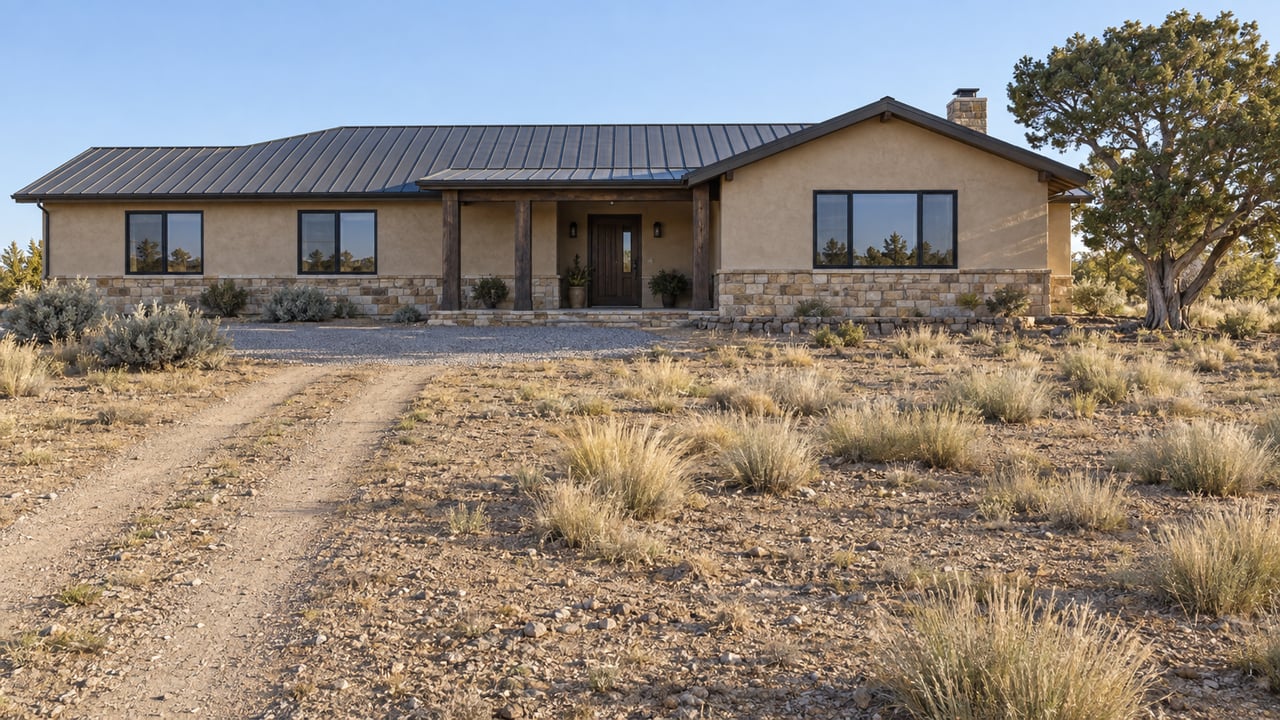
A client called me in the spring worried about a bill sitting in the Arizona Senate. She was under contract on a West Sedona property with an active short-term rental permit, and her buyer's agent in a prior deal had told her that permits like hers were about to become scarce and valuable, so she should price the listing as if she were selling a piece of paper as much as a house. She wanted to know if she should wait for the outcome before finalizing her number.
She didn't need to wait. The bill she was watching, House Bill 2429, would have let cities like Sedona cap the number of short-term rental permits in circulation. It passed the Arizona House 36-19 in March 2026 and crossed over to the Senate. Then it missed the Senate Appropriations Committee's deadline of March 31 and died for the session without a floor vote. No cap. No permit scarcity. No premium to price in.
That non-event is more useful to a buyer or seller than most regulatory updates I track, because it clears away a story that was distorting how people were thinking about Sedona rental property. Once you set the bill aside, what's actually happening in Sedona's housing market is more interesting, and it has nothing to do with permits.
The Bill That Almost Reshaped Sedona's Rental Math
HB 2429 started out broader than what eventually reached the Senate floor. Earlier drafts reportedly included caps on the total number of rentals allowed and minimum distance requirements between properties, but those provisions were stripped before the bill advanced. Arizonans for Responsible Tourism, an industry group, stayed neutral on the trimmed version, noting that "much of the harmful language impacting operators has been removed." What remained by the time the House passed it was narrower: permit and licensing authority, an occupancy formula, and longer enforcement windows for repeat violations.
Then the Senate never took it up. The Appropriations Committee didn't hold a hearing before the session's final committee deadline, and the bill was effectively dead by April. You can read the bill text and status on the Arizona Legislature's site if you want the primary source rather than someone's summary of it, including mine.
What That Non-Event Actually Means at the Closing Table
Because the bill didn't pass, the rules governing Sedona short-term rentals today are the same rules that governed them a year ago. That's worth spelling out plainly, because I still hear the old assumptions repeated in showings:
- There is no cap on the number of STR permits Sedona can issue. State preemption law still prevents it.
- The annual permit fee is $210 per unit, unchanged, and it is non-transferable. A new owner applies fresh under their own name.
- Sedona still has no zoning restriction specific to short-term rentals.
- The September 2024 rule still stands: an accessory dwelling unit issued a certificate of occupancy on or after that date cannot be used as a short-term rental unless the owner's primary residence is the main structure on the same lot.
- Special events of any kind, including weddings and retreats, are still banned outright at Sedona STRs under city code.
You can read the actual ordinance language in Chapter 5.25 of the Sedona City Code rather than take a secondhand summary of it.
None of this changed. Which means the "grandfathered permit" premium some sellers were starting to price in this spring never had legislative footing to stand on. If a permit conveyed real scarcity value today, it would be because Sedona's own future council decides to act, not because of anything that happened in Phoenix this year.
Meanwhile, 1,805 Listings Are Already Chasing the Same Guests
Here's the part that surprises people more than the failed bill does. As of February 2026, Sedona had roughly 1,805 active short-term rental listings, according to short-term rental market tracking, up from about 1,113 in 2021, a 62 percent increase in five years. Sedona's full-time population is only around 10,300, which gives the city one of the highest STR-to-resident ratios anywhere in the country.
That density did all the work a permit cap might have done, just through ordinary market saturation instead of regulation. More listings competing for the same visitor nights means individual property returns get squeezed even as the total number of rentals keeps climbing. If you're underwriting a Sedona purchase on rental income, the constraint you should model isn't a future cap. It's the fact that your unit already has 1,800 competitors before you list your first night.
The Real Split Isn't Regulatory. It's What Gets Built.
While the rental bill occupied headlines, Sedona's single-family market was quietly splitting into two markets that don't behave the same way. By the midpoint of 2026, the mid-range single-family price had held steady around $1,125,000, and Sedona's Market Action Index sat near 32 for much of the year, a reading that indicates a slight seller's advantage. But nearly 42 percent of active listings had gone through at least one price reduction, and by late August only three single-family homes had sold for under $500,000 all year, with just eighteen selling under $600,000.
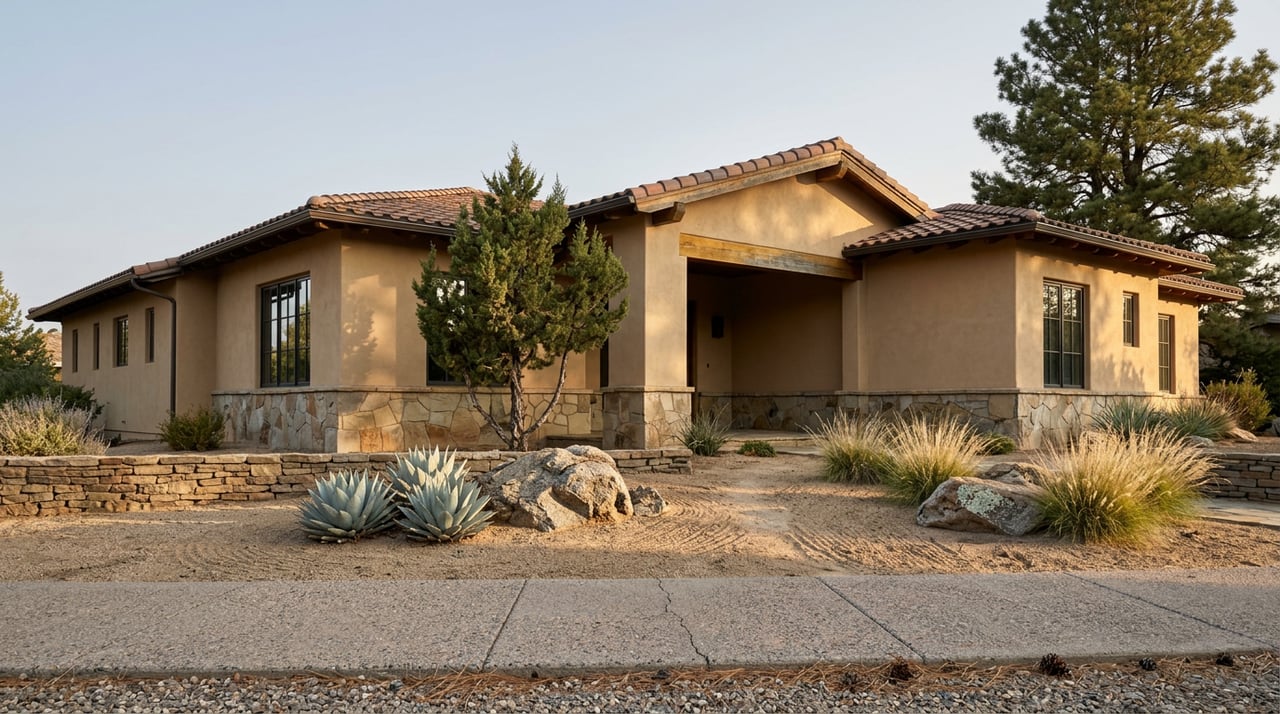
That's not a soft market. It's a market where the bottom rungs of the ladder have mostly disappeared, and the properties still moving are doing so above the median, not below it. The reason traces back to what actually gets built in Sedona rather than to rental policy. Sedona has no production tract-home builders. Strict architectural review, surrounding federal forest land, and limited buildable terrain mean nearly every new home here is a custom build or a small organized community of view lots. As of mid-2026, only two organized new-construction communities were active inside city limits: Hillside Vista Estates, with single-story luxury plans on 0.75 to 1.75-acre home sites, and Sky Ridge Estates, a hilltop community in the Chapel and SR 179 corridor built around panoramic view lots. Neither is aimed at an entry-level buyer, because there is no supply channel left that produces one.
Where an Entry Point Still Exists
The median price you see on a portal blends two structurally different products into one number. Here's roughly what each door actually costs as of mid-2026:
| Segment | Where | Approximate price range |
|---|---|---|
| Entry-tier condo | Casa Bonita Condominium, Sedona Gardens Condominiums (West Sedona) | $285,000 to $475,000 |
| Mid-tier attached | Nepenthe Patio Homes, Vista Montana townhomes | $500,000 to $850,000 |
| Creekside attached | Junipine Resort | $1,000,000 and up |
| Single-family, established | West Sedona | $1.3 million at entry |
| Single-family, view lot | Chapel / SR 179 corridor | $1.8 million to $2.8 million |
| Single-family, luxury | The Aerie, Mystic Hills, Soldiers Pass | $2.5 million, exceeding $5 million on premium lots |
If you're comparing Sedona to another Northern Arizona town by median price alone, you're comparing a number that describes neither of these products accurately. The realistic conversation isn't "what's the median in Sedona." It's "which of these two markets are you actually shopping in."
What to Check Before You Underwrite Rental Income
If a Sedona property's rental potential matters to your decision, a few things are worth confirming before you write an offer rather than after:
Read the HOA documents yourself. The city of Sedona doesn't enforce or keep copies of HOA rules, so a listing agent telling you rentals are allowed isn't the same as the HOA's governing documents saying so. Confirm the certificate of occupancy date on any guest house or casita, since anything issued on or after September 14, 2024 can't be rented short-term unless you live in the main house. Budget for the $500,000 liability insurance requirement and the written neighbor notification process the city requires before you can advertise. And remember that the permit itself doesn't come with the house. You're applying fresh, under the current rules, which are the same rules that existed before this legislative session started.
If the Bill Comes Back
Nothing about a failed committee deadline means HB 2429 is gone for good. Bills die in Arizona sessions for procedural reasons all the time and reappear the following year, sometimes with the stripped provisions restored. If a future version passes and Sedona chooses to act on the new authority, the calculus here could change. Until then, the responsible move is to underwrite the rules that exist, not the ones that almost did.
Questions Buyers Ask Me About This
Is there a cap on Sedona STR permits right now? No. State law currently prevents Arizona cities from capping the number of permits they issue, and the bill that would have changed that died in the Senate this session.
If I buy a home with an active STR permit, does it come with the sale? No. Sedona permits are non-transferable. You apply for your own permit after closing, under the same rules the seller operated under.
Can I rent out a casita separately from the main house? Only if you live in the main structure yourself, and only if the casita's certificate of occupancy predates September 14, 2024, unless it qualifies under the grandfathering language in the city's ADU compliance rules.
If you're weighing a Sedona purchase against another Northern Arizona town, or trying to figure out which of these two Sedona markets actually fits your budget and your plans for the property, I'd rather walk you through the real numbers than let a portal's median price make the decision for you. Jess Savoini has spent years watching how these pieces fit together across Prescott and the surrounding communities, and a conversation costs nothing. Let's Connect.