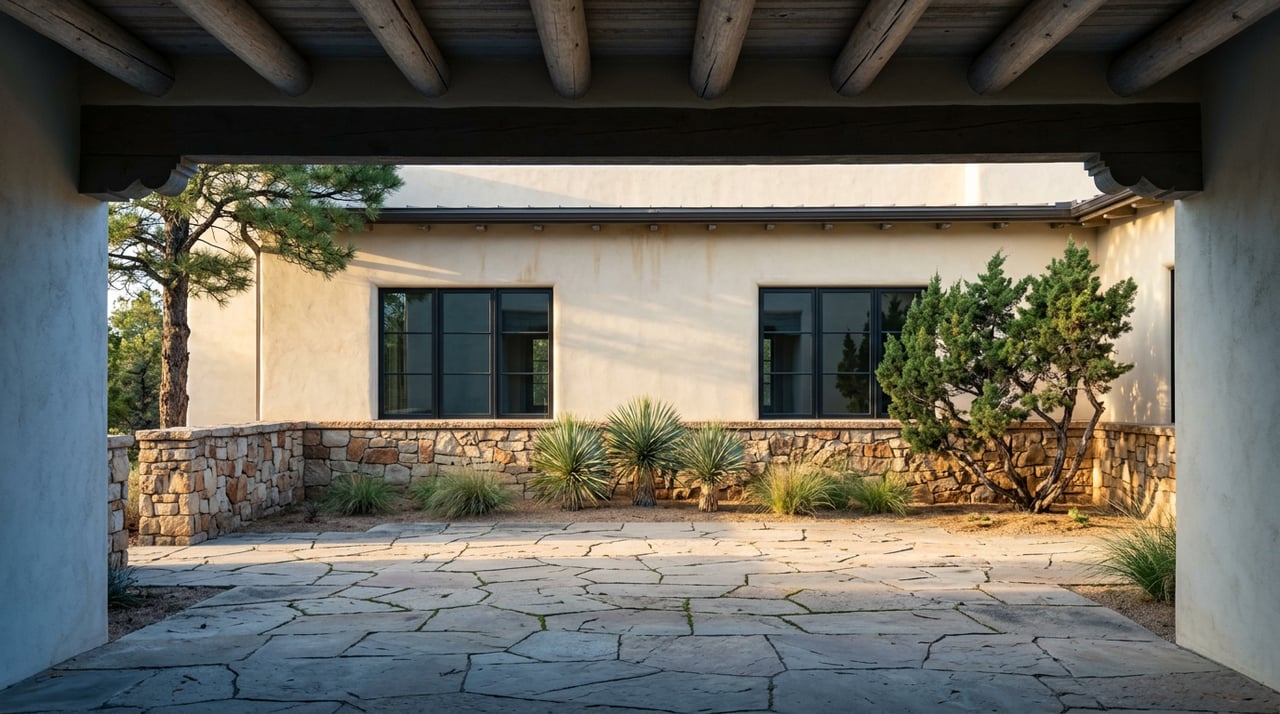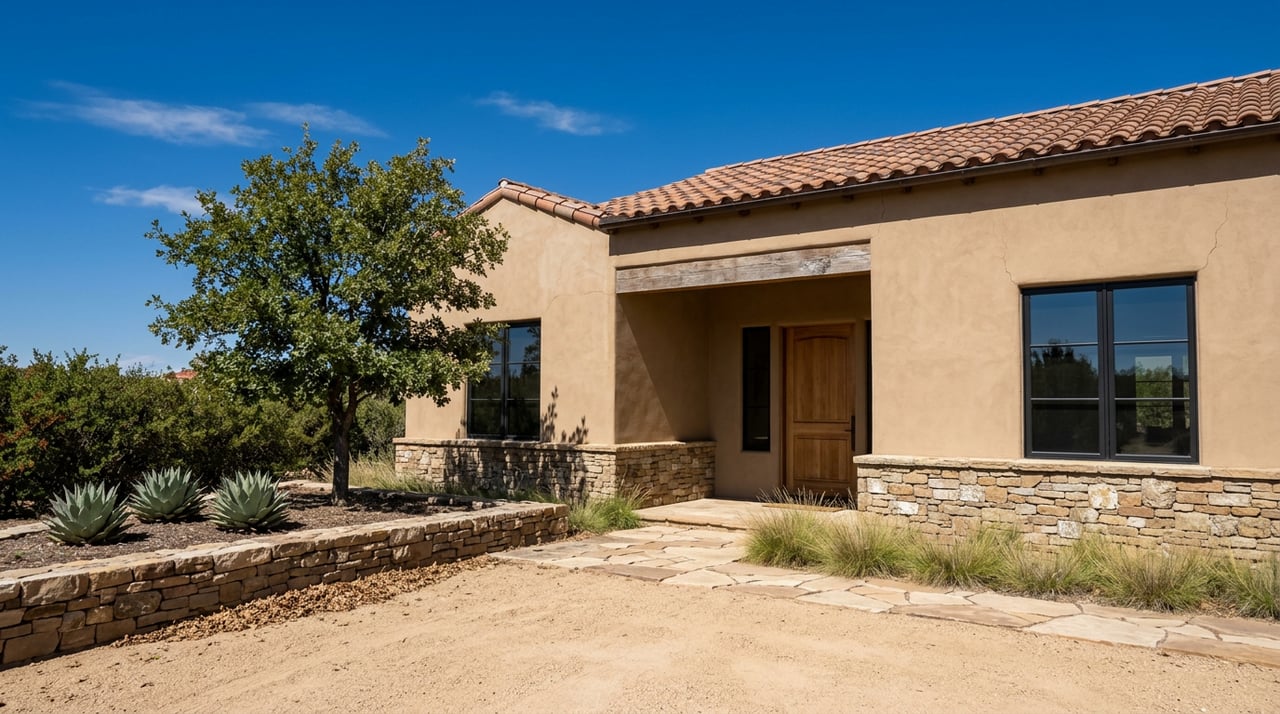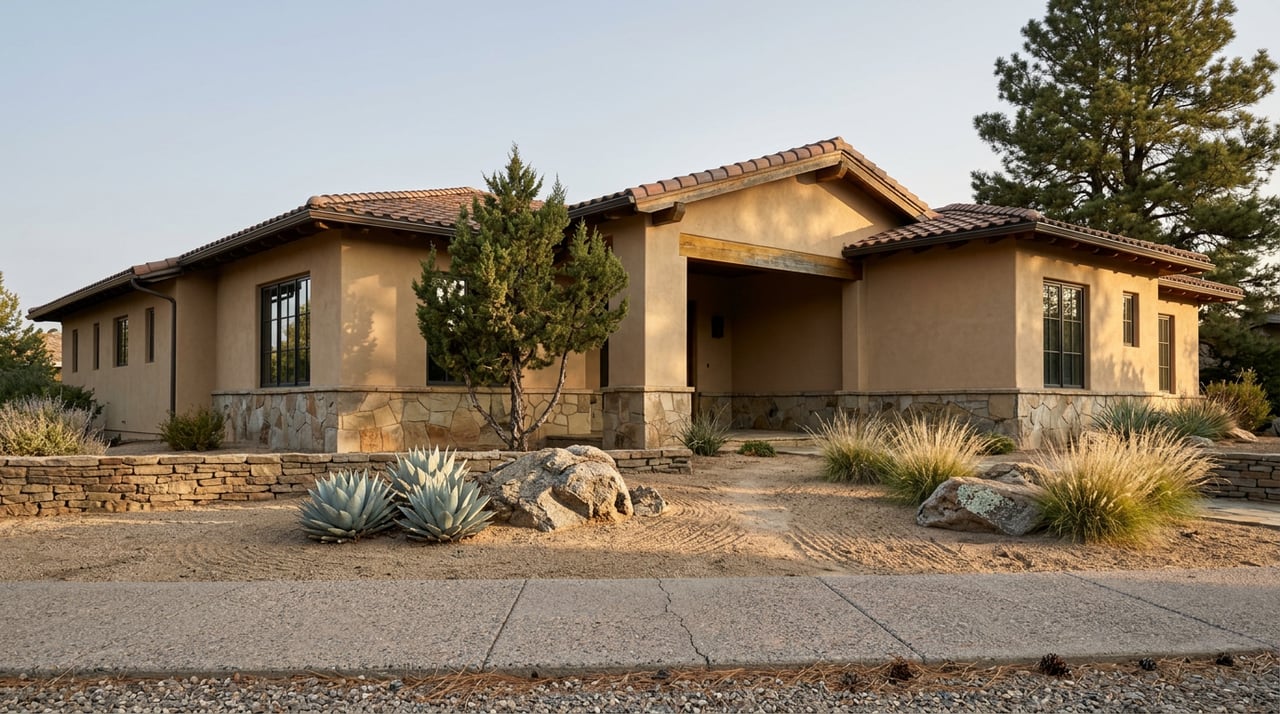
Say you're comparing two three-bedroom listings this month, both priced close to Prescott Valley's current median of $452,000 for homes sold over the three months ending June 2026. One sits in Pronghorn Ranch, the master-planned community north of Highway 89A. The other is in an older subdivision built well before Prescott Valley's run of master-planned communities went up in the early 2000s.
The mortgage estimate on both listings might look almost identical. Then you get to the tax line, and it doesn't match.
That gap isn't a data error. It's a Community Facilities District, and Prescott Valley has nine of them, each attached to a specific patch of ground, each levying its own separate assessment on top of the county and school district taxes everyone in town already pays. The median price you see on a portal search flattens all of that into one number. It shouldn't.
What the Median Price Doesn't Show You
A CFD is a special taxing district, created under Arizona's 1988 Community Facilities District Act, that lets a developer finance roads, water lines, and sewer systems by issuing bonds against future property taxes rather than paying for the infrastructure upfront. The bonds get built into the price of the land. The debt gets repaid, over years, by whoever ends up owning the finished homes.
That's a reasonable way to fund a new subdivision. It also means the tax bill you inherit when you buy has almost nothing to do with the county's general levy and everything to do with which specific district your lot happens to sit inside. Prescott Valley's overall median effective property tax rate runs about 0.50 percent, already below both the Arizona and national medians. But that town-wide figure is an average of subdivisions that don't behave the same way at all.
Nine Districts, Not One Town
The Town of Prescott Valley's own finance department lists nine active Community Facilities Districts, and the differences between them are the whole story:
| District | Established | Location | Bond status |
|---|---|---|---|
| StoneRidge CFD | 2001 | South of Highway 69 | Payments scheduled through January 15, 2030 |
| Pronghorn Ranch CFD | 2002 | North of Highway 89A | Payments scheduled through July 15, 2029 |
| Quailwood Meadows CFD | 2004 | Off Highway 69 | Payments scheduled through July 15, 2029 |
| Eastridge CFD | 2003 | Business district off Highway 69 | Bonds already retired in 2018 |
Five more round out the list: Raven Ridge, Parkway CFD #1, Southside CFD #1, Northside CFD #1, and a small Entertainment Center CFD tied to a commercial parcel. The town's most recent assessed-value figures show most of these barely moving year over year, StoneRidge and Raven Ridge each flat, Pronghorn Ranch and Quailwood Meadows up a modest 3 percent. Northside CFD #1 is the outlier, with assessed value climbing 30 percent in a single year, a pace that lines up with the new construction underway on the town's north growth corridor. If you're looking at a new-build listing up there, that growth rate is worth asking about directly, because a district adding assessed value quickly is also a district whose per-lot share of the bond debt can shift as new phases come online.
Why the Zip Code Split Shows Up on the Tax Bill
Independent property tax data backs up what the town's own district list suggests. Homeowners in Prescott Valley's 86315 zip code carry a median effective tax rate of 0.53 percent, against 0.50 percent in 86314, a spread the underlying property tax analysis attributes directly to the mix of school district boundaries and CFDs layered across different parts of town. Translated into dollars, the median tax bill in 86315 runs about $2,538 a year, compared to roughly $1,637 in 86314. Across the town as a whole, the spread is even wider at the extremes, a 25th percentile bill of $1,269 climbing to $3,170 at the 90th percentile.
None of that shows up in a median sale price. Two homes can list within a few thousand dollars of each other and still carry annual tax bills that differ by 50 percent or more, purely because of which side of a district boundary they fall on.
The Clock Running on Three of These Bonds
Here's the detail that changes how a buyer should think about this. A CFD assessment exists to retire a specific bond. When the bond is paid off, the assessment tied to it typically goes away with it, and Prescott Valley has already shown that this isn't theoretical. Eastridge CFD was established in 2003 to fund improvements to a business district off Highway 69. Its original bonds were scheduled to retire by 2018, and they did. The assessment that funded them didn't outlive the debt.
That precedent matters right now because three of the town's largest residential districts are on a similar countdown. Pronghorn Ranch and Quailwood Meadows both have bond payments scheduled through July 15, 2029. StoneRidge runs through January 15, 2030. A buyer closing today who plans to hold a home in one of these districts for five or six years could reasonably expect to see that particular line item shrink or disappear well before they'd consider selling again. A buyer planning a shorter hold won't see that benefit at all. Either way, it's a fact worth having before you sign, not after.
Before You Write the Offer
None of this makes a CFD a reason to avoid a subdivision. StoneRidge, Pronghorn Ranch, and Quailwood Meadows are established, desirable communities precisely because those bonds already paid for the roads and infrastructure that make them livable. The point is to know what you're buying into before the number shows up as a surprise at closing. A few questions are worth asking directly, of the builder, the listing agent, or the county assessor's office, before you get attached to a specific address:
- Is this property inside a Community Facilities District, and if so, which one?
- What is the current annual assessment, separate from the base county and school tax?
- When is that district's bond scheduled to retire?
- Is there also an HOA on top of the CFD, since the two are separate charges that often exist side by side?
A CFD and an HOA are not the same thing. The CFD is a government taxing district that funds public infrastructure and shows up on your county tax bill. The HOA is a private association that collects dues for shared amenities like landscaping or a clubhouse. A single subdivision can, and often does, have both running at the same time.
A Few Questions Readers Ask
Does the CFD assessment show up as its own line item? Yes. It appears under the special district section of the Yavapai County property tax statement, separate from the general county and school levies.
Is a CFD a red flag? Not inherently. It's a financing tool that funded the roads, water, and sewer systems for most of Prescott Valley's newer master-planned communities. The point is knowing the number and the payoff date, not avoiding the district.
Can I find out the exact assessment before I make an offer? The town's finance department publishes the annual budget and financial report for each district, and any builder or listing agent should be able to provide the current figure and payoff schedule on request.
If you're weighing one Prescott Valley subdivision against another and want the actual district assessment pulled before you write an offer, or you're on the other side of this and wondering how a maturing CFD bond might affect your home's appeal to buyers, Jess Savoini can walk through the specific numbers for the address you're looking at. Let's Connect.